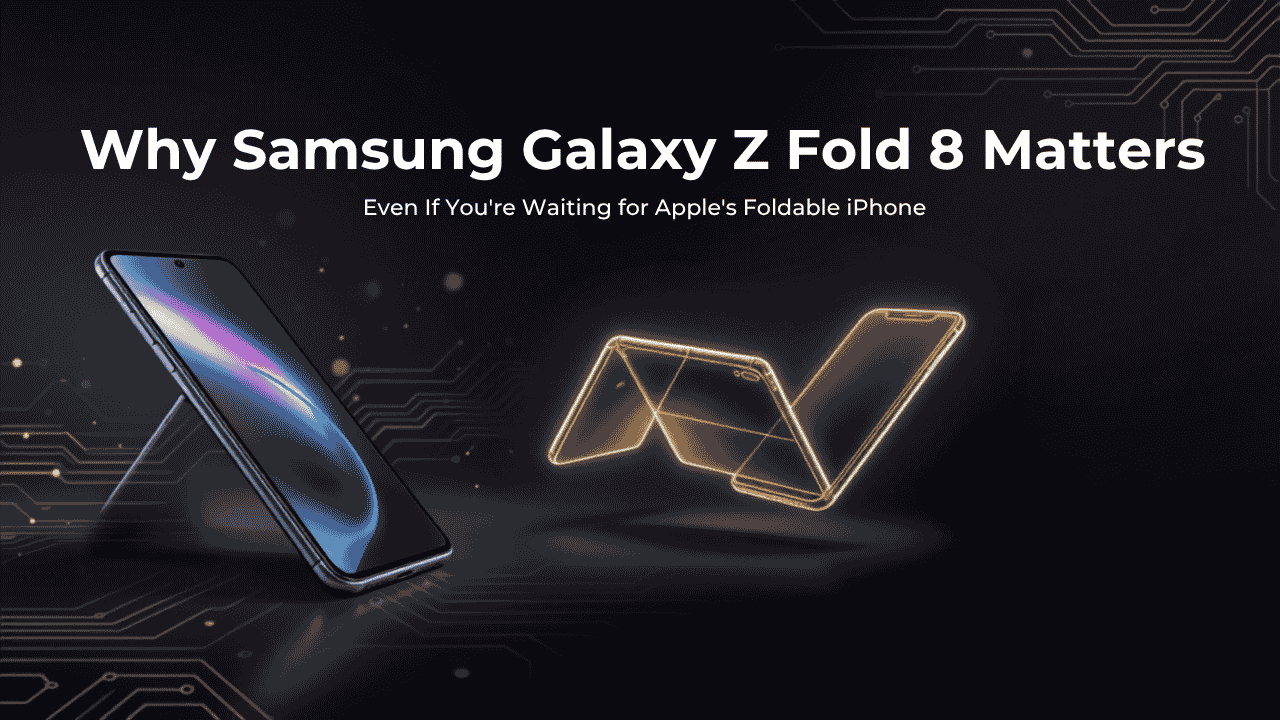
Why Samsung Galaxy Z Fold 8 Matters Even If You’re Waiting for Apple’s Foldable iPhone
Why Samsung Galaxy Z Fold 8 Matters Even If You’re Waiting for Apple’s Foldable iPhone
The foldable smartphone market has entered a new phase. For years, Samsung has refined its foldable lineup while many Apple users have continued waiting for the company’s first foldable iPhone. With the launch of the Samsung Galaxy Z Fold 8, that wait has become even more interesting.
Samsung’s latest foldable isn’t just another annual upgrade. Many reviewers describe it as the company’s biggest design shift in years, featuring a lighter body, wider cover display, improved hinge, and a less noticeable screen crease. These changes make the device feel more practical for everyday use rather than simply showcasing new technology.
At the same time, industry observers note that the Z Fold 8 offers useful clues about what Apple’s first foldable iPhone could look and feel like. While Apple has not officially announced a foldable iPhone, several reports suggest that Samsung’s newest design direction closely matches the form factor expected from Apple’s rumored device. These remain reports and rumors until Apple makes an official announcement.
The Foldable Market Is Finally Maturing
Early foldable phones impressed people with innovation but often faced criticism for being:
- Thick and heavy
- Expensive
- Difficult to use with one hand
- Noticeable display creases
- Limited app optimization
Samsung has spent several product generations improving these issues. According to recent hands-on reviews, the Galaxy Z Fold 8 introduces a shorter, wider “passport-style” design that feels more natural when folded while still providing a large inner display for multitasking, reading, and entertainment. The company has also reduced weight and thickness compared with previous generations.
For users who have never owned a foldable phone, these improvements suggest that the category is moving beyond early experimentation and becoming more practical for daily use.
Why This Matters Even If You’re Waiting for Apple
Many Apple fans assume the best option is simply to wait for Apple’s first foldable phone. However, watching Samsung’s progress offers valuable insight into where the entire smartphone industry is heading.
Samsung has already spent years solving many of the engineering challenges associated with foldable devices, including hinge durability, display flexibility, and user experience. Whether you eventually buy a Samsung device or an Apple foldable, these advancements help shape expectations for the next generation of smartphones.
In the next part, we’ll explore the Galaxy Z Fold 8’s design, display technology, and hardware improvements—and why they matter for the future of foldable smartphones.
Samsung Galaxy Z Fold 8: The Design That Changes Everything
A Completely New Direction for Foldable Phones
For several years, Samsung improved its foldable phones by making them thinner, faster, and more durable. With the Galaxy Z Fold 8, however, the company took a different approach. Instead of simply refining the previous model, Samsung introduced a new “passport-style” design that is shorter and wider than earlier Galaxy Fold devices. This redesign makes the phone feel much more comfortable when folded, while still offering a large tablet-like display when opened.
One of the biggest complaints about earlier foldables was their narrow outer screen. Typing messages, browsing the web, and using everyday apps often felt cramped. Samsung addressed this by giving the Galaxy Z Fold 8 a wider 5.5-inch cover display and a 7.6-inch inner display with a 4:3 aspect ratio, creating a more natural experience for reading, multitasking, and watching videos.
A Lighter and More Comfortable Foldable
Weight has always been a concern for foldable smartphones. Carrying a heavy phone throughout the day can quickly become uncomfortable.
Samsung reduced the Galaxy Z Fold 8’s weight to around 201 grams, making it one of the lightest book-style foldable smartphones currently available. The slimmer profile also helps it fit more comfortably in a pocket without sacrificing screen size.
These improvements may sound small individually, but together they make a noticeable difference in daily use.
Users can expect benefits such as:
- Better one-handed usability
- Easier typing on the cover display
- More comfortable reading experience
- Improved portability
- Better balance between phone and tablet modes
Rather than feeling like two devices combined into one bulky package, the Z Fold 8 moves closer to feeling like a conventional smartphone that simply unfolds into a larger workspace.
Display Technology Continues to Improve
The display remains Samsung’s biggest strength.
Samsung has refined its foldable OLED technology over several generations, and the Galaxy Z Fold 8 introduces further improvements aimed at making the display feel more polished.
Recent hands-on reviews highlight:
- A significantly less noticeable display crease
- Improved viewing angles
- Higher peak brightness
- Better color reproduction
- Enhanced durability through updated display materials and hinge engineering
The inner display is designed for tasks that benefit from extra screen space, including:
- Editing documents
- Watching HDR videos
- Reading eBooks
- Split-screen multitasking
- Gaming
- Video conferencing
Meanwhile, the wider outer display allows users to complete quick tasks without opening the device, reducing unnecessary wear on the folding mechanism.
Why Apple Users Should Pay Attention
Even if you’re committed to Apple’s ecosystem, the Galaxy Z Fold 8 is worth watching.
Apple has not officially announced a foldable iPhone. However, multiple recent reports suggest Apple’s rumored foldable could adopt a similar wider, “passport-style” form factor, making Samsung’s latest device a useful preview of the user experience Apple may eventually deliver. These reports remain speculative until Apple confirms its plans.
This is why the Galaxy Z Fold 8 matters beyond Samsung customers. It demonstrates how foldable phones are evolving from experimental products into practical everyday devices.
In Part 3, we’ll compare Samsung’s approach with Apple’s expected foldable strategy, discuss whether it’s worth waiting for Apple’s device, and explore what the future of foldable smartphone displays could look like.
Should You Buy the Galaxy Z Fold 8 or Wait for Apple’s Foldable iPhone?
Samsung Has an Eight-Generation Advantage
One of the biggest differences between Samsung and Apple in the foldable market is experience.
Samsung introduced its first Galaxy Fold in 2019 and has spent years refining the technology. With each generation, the company has improved the hinge, reduced the screen crease, optimized software, and made foldable phones lighter and easier to use.
The Galaxy Z Fold 8 represents the result of that long development cycle. Reviewers describe it as Samsung’s most mature foldable yet, with a wider “passport-style” design, reduced weight, and a more natural everyday experience.
Apple, on the other hand, has not officially announced a foldable iPhone. Everything currently discussed about Apple’s device comes from industry reports, supply-chain information, and analyst expectations—not official Apple specifications.
Why Apple Users Are Still Waiting
Apple has often entered product categories later than its competitors.
Instead of being first, the company typically focuses on refining hardware and software together before launching a new product. That’s why many Apple users believe the company’s first foldable could deliver a polished user experience from day one.
However, waiting also means missing years of innovation happening today.
Samsung is already showing what a modern foldable phone can offer:
- Better multitasking
- Desktop-style productivity
- Large-screen entertainment
- Improved durability
- More refined folding displays
These improvements are shaping customer expectations for every future foldable smartphone, including Apple’s rumored model.
Is It Worth Waiting?
The answer depends on what matters most to you.
Buy the Galaxy Z Fold 8 if you want:
- A foldable phone available today
- Years of foldable hardware refinement
- Large-screen multitasking
- Productivity features
- A premium Android experience
Wait for Apple’s Foldable iPhone if you:
- Prefer the Apple ecosystem
- Already use an iPhone, Apple Watch, and Mac
- Want deeper iOS integration
- Don’t mind waiting for Apple’s first-generation foldable
Neither choice is automatically better. Samsung currently offers a proven foldable platform, while Apple’s device remains unannounced and should be judged only after official details are released.
What This Means for the Future of Smartphone Displays
The most important story isn’t Samsung versus Apple—it’s the rapid evolution of display technology.
Foldable OLED panels have improved significantly over the past few years, with manufacturers reducing crease visibility, improving brightness, increasing durability, and making devices thinner and lighter. The Galaxy Z Fold 8 demonstrates how far this technology has progressed.
Industry analysts also expect the foldable segment to keep growing. Although foldables still account for a relatively small share of global smartphone sales, forecasts suggest the category will expand as designs improve and more manufacturers enter the market.
For companies involved in display technology—including manufacturers, repair professionals, and display brands—this trend highlights the increasing importance of flexible OLED innovation, durability, and repairability.
Final Thoughts
Whether you ultimately choose Samsung or decide to wait for Apple’s first foldable iPhone, the Galaxy Z Fold 8 is an important milestone.
It shows that foldable smartphones are moving beyond experimental concepts and becoming practical devices for everyday users. Samsung’s latest design gives us a clear look at where premium smartphone displays are heading, while Apple’s eventual entry—whenever it arrives—is likely to accelerate innovation even further.
For anyone interested in the future of mobile displays, the Galaxy Z Fold 8 isn’t just another smartphone. It’s a preview of what the next generation of flagship devices could become.
Frequently Asked Questions (FAQ)
1. Is the Samsung Galaxy Z Fold 8 better than waiting for Apple’s foldable iPhone?
It depends on your priorities. The Galaxy Z Fold 8 is available now and benefits from Samsung’s years of foldable development. If you’re deeply invested in the Apple ecosystem, you may prefer to wait, but Apple has not officially announced a foldable iPhone yet.
2. Does the Galaxy Z Fold 8 still have a screen crease?
Yes, but recent reviews indicate that Samsung has significantly reduced its visibility through improvements to the hinge and display design. Most reviewers describe the crease as much less noticeable during normal use than on earlier generations.
3. Is the Galaxy Z Fold 8 good for productivity?
Yes. The large inner display makes multitasking, document editing, split-screen apps, video calls, and media consumption much more comfortable than on a traditional smartphone. Samsung’s wider “passport-style” design also improves usability when the phone is closed.
4. Will Apple’s foldable iPhone have a similar design?
Industry reports suggest Apple’s rumored foldable could use a similar wider book-style form factor, but Apple has not confirmed any specifications or launch date. These details remain based on reports and leaks rather than official announcements.
5. Are foldable phones becoming mainstream?
Foldables still represent a relatively small portion of the smartphone market, but analysts expect the category to continue growing as designs become thinner, lighter, and more durable. Samsung’s latest launch and strong early demand reflect increasing consumer interest.
Final Conclusion
The Samsung Galaxy Z Fold 8 is more than just Samsung’s latest flagship—it represents how far foldable smartphone technology has matured. With a lighter body, wider cover display, improved hinge, and a less visible crease, it addresses many of the concerns that held earlier foldables back.
Even if you’re planning to wait for Apple’s first foldable iPhone, the Z Fold 8 offers valuable insight into where premium smartphones are heading. Samsung’s years of refinement provide a real-world example of how foldable displays can enhance productivity, entertainment, and everyday usability. Meanwhile, Apple’s eventual entry—whenever it arrives—could accelerate competition and innovation across the industry.
For consumers, this means more choice. For display manufacturers and repair professionals, it signals growing demand for advanced flexible OLED technologies. And for anyone interested in the future of smartphones, the Galaxy Z Fold 8 shows that foldables are evolving from a niche concept into a practical category.
Powered by Sunlong Pakistan
This article is proudly published by Sunlong Pakistan, helping customers make informed decisions about mobile display quality and connect with trusted retailers across Pakistan.
For more expert guides, repair tips, and smartphone display insights, explore our FAQs, visit our Website, use our Store Locator, learn more on our Become a Seller page, and stay connected with us on Facebook, Instagram, TikTok and YouTube for the latest updates and educational content.